
Water Extraction & Drying
Water Extraction and Drying is applied after bulk water removal when moisture remains in flooring systems, wall cavities, or layered assemblies.
The process combines extraction passes, airflow layout, dehumidification, and repeated readings to guide drying progress.
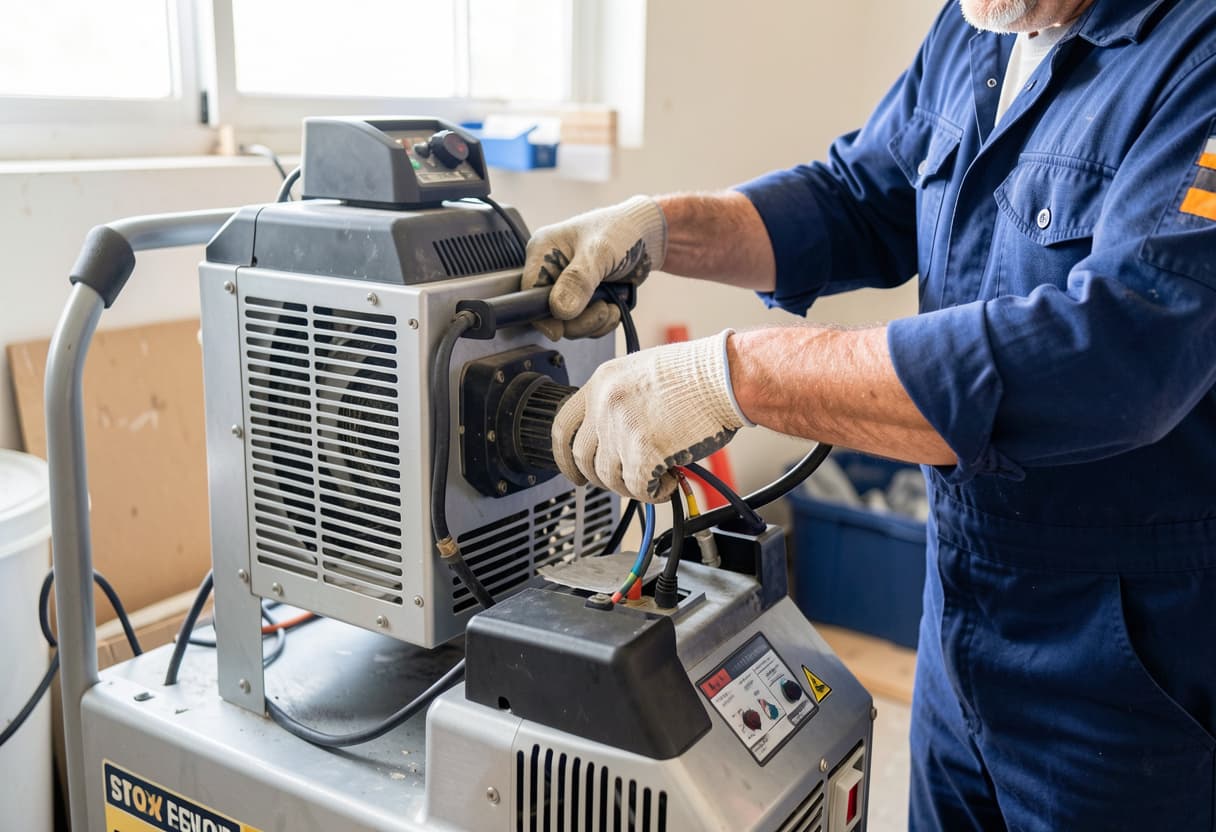
What the Service Involves
Water Extraction and Drying setup is adjusted in cycles as moisture behavior changes from zone to zone.
-
Targeted Water Extraction
Residual water is removed from floor systems, edges, and lower wall sections with targeted methods.
-
Airflow and Dehumidification Layout
Equipment is placed to improve air movement and keep humidity more stable in affected areas.
-
Moisture Monitoring Intervals
Readings are repeated to see how materials respond and whether setup changes are needed.
-
Drying Completion Review
Final checks compare trend data against baseline values before moving into the next stage.
Typical Situations
This service is common after initial removal when hidden moisture remains in structural or finish materials.
- Subfloor and base trim remain damp after visible water is removed.
- Wall cavities show elevated moisture during follow-up checks.
- Commercial flooring assemblies retain humidity beneath the surface.
- Interior rooms require controlled airflow during staged drying.
- Moisture trends vary by zone and need equipment layout adjustments.
FAQ
How long does water extraction and drying usually take?
Water Extraction and Drying duration depends on material density, saturation depth, and environmental control conditions.
Why might equipment placement change during drying?
As readings shift, equipment layout may be adjusted to support zones where moisture drops more slowly.
Is drying limited to visibly wet surfaces?
No. Hidden zones such as cavities, underlayment, and layered assemblies are often part of drying scope.