
Emergency Water Removal
Emergency Water Removal is the first-stage category for active standing water on floor surfaces and lower wall zones.
Bulk-water reduction is prioritized so extraction, drying, and material-level decisions can begin under more stable conditions.
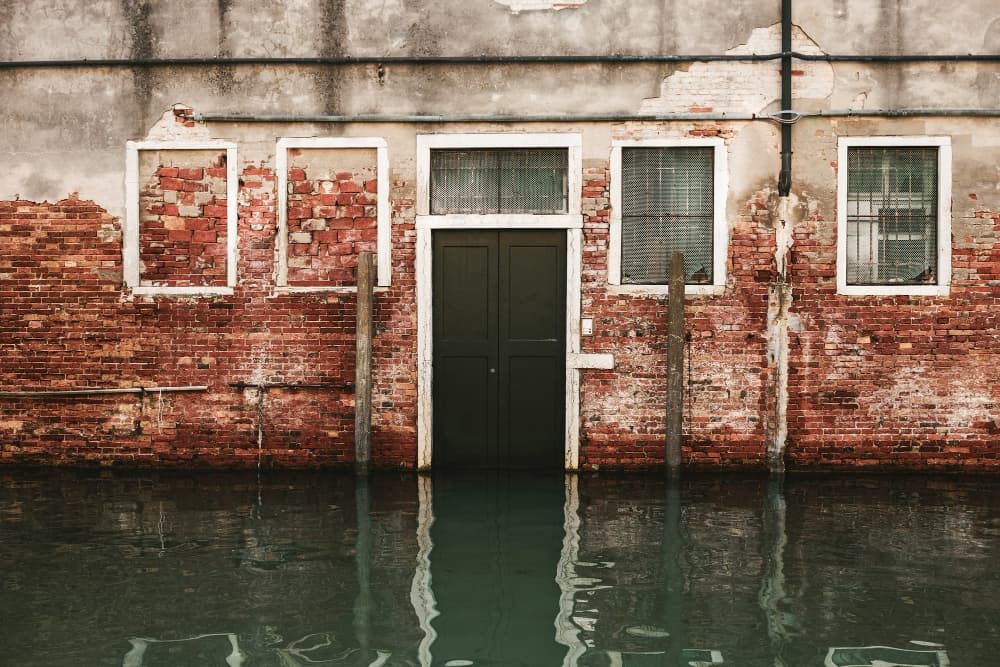
What the Service Involves
Emergency Water Removal usually combines rapid extraction setup with early stabilization steps for the next mitigation phase.
-
Rapid Extraction Setup
Access paths and equipment positions are arranged for fast and controlled water removal.
-
High-Volume Water Removal Passes
Bulk water is reduced first in open floor areas and perimeter zones with highest accumulation.
-
Stabilization and Containment Prep
Initial stabilization steps are used to limit spread while preparing for deeper drying work.
-
Transition to Drying Workflow
After visible water is lowered, focus shifts to readings and targeted drying setup.
Typical Situations
This category is often selected first when water is still moving and immediate volume reduction is needed.
- Pipe failure leaves visible pooling water in living or utility areas.
- Appliance overflow causes rapid water spread across hard flooring.
- Entry-level flooding reaches door thresholds and base trim sections.
- Commercial interior zones show standing water after system leakage.
- Water movement between rooms increases and requires fast volume control.
FAQ
Is emergency water removal the same as full water restoration?
No. Emergency Water Removal addresses bulk standing water, while restoration includes broader drying and reconstruction planning.
Which areas are generally prioritized first?
Priority usually starts where accumulation is highest and where water is still migrating between rooms.
What usually happens after standing water is reduced?
Projects usually move into moisture assessment, drying setup, and material-based planning.